The Government of Ontario and the Federal Standing Committee on Transport, Infrastructure and Communities have recently made headlines regarding announcements and discussions held on the topic of passenger rail in Northern Ontario.
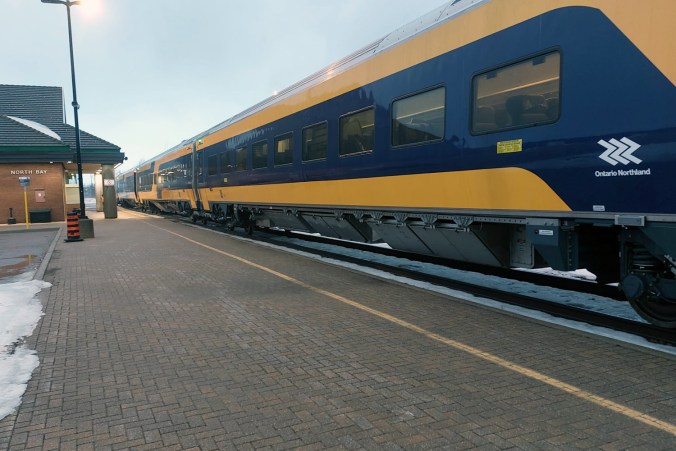
In March, the Ontario Northland Transportation Commission purchased 205 kilometres of track between North Bay and Washago. The public now owns this strategic piece of rail infrastructure, which should help the Northlander operate more dependably through Cottage Country. The company also began testing their new train sets across the entire length of the route.
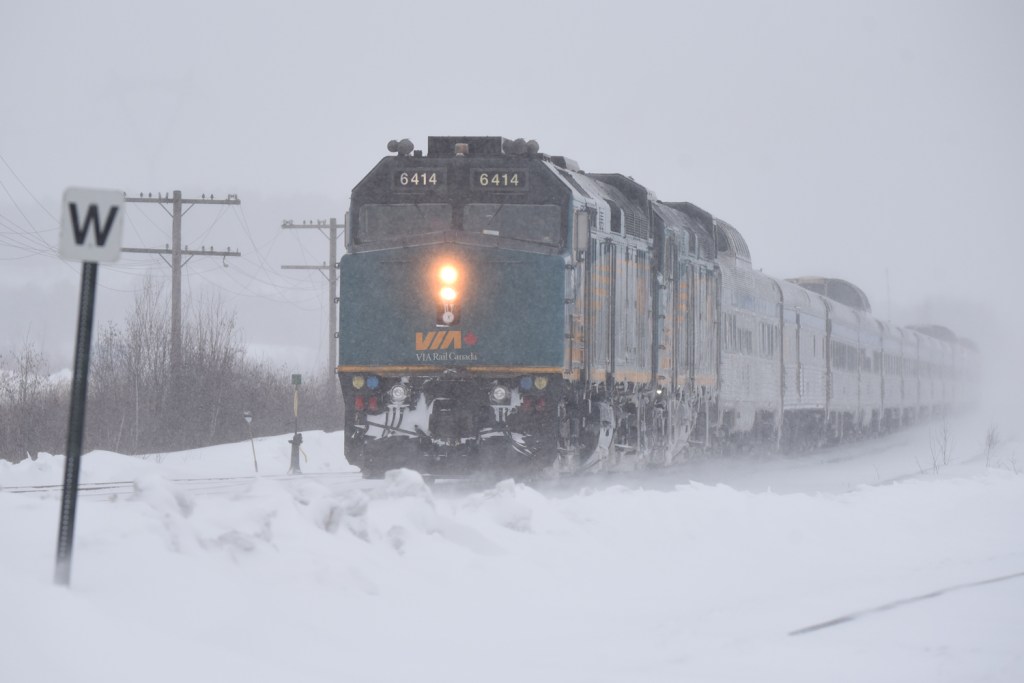
At the same time, members of Parliament raised a number of issues plaguing train service between Sudbury and White River to interim leaders and delegates of VIA Rail Canada. The organization intends to present a plan that ensures this remote, yet essential route is once again reliable and consistent (let’s hope).
These are positive developments.
Undoubtedly, there are some important issues governments need to resolve.
We don’t know how well the Northlander train sets will perform in the dead of winter. The same ones purchased by VIA Rail infamously failed just before the holidays.
There is a ton of congestion between Washago and Richmond Hill that routinely creates delays and headaches for VIA’s flagship train, the Canadian. Will the Northlander be able to keep a schedule on those same set of tracks?
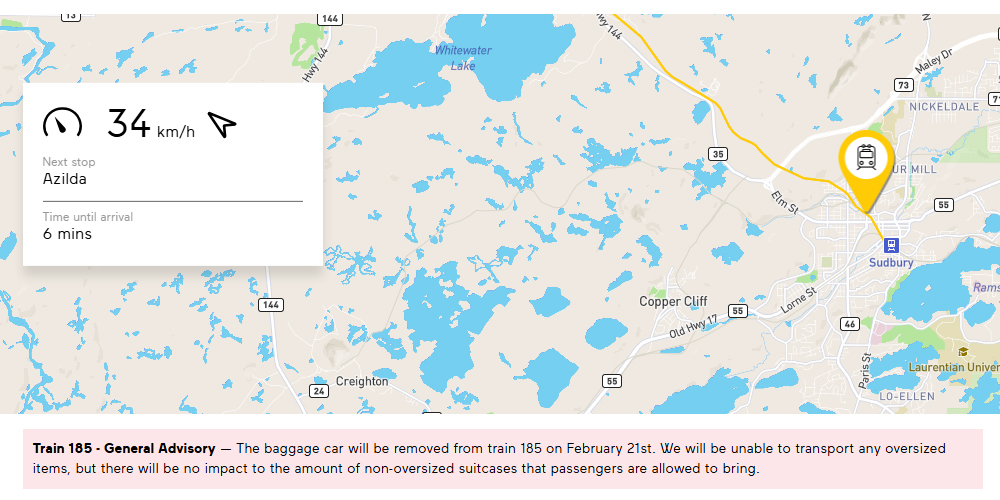
Earlier this year, the Budd Car was inoperative for 25 calendar days due to recurring mechanical breakdowns. The baggage car remains kaput. How much longer will this 70+ year old equipment continue running before it fails outright?
As constructive as the track purchase is towards reinstating the Northlander, we only achieve progress when we can investigate the problems and engage politicians, bureaucrats and stakeholders in constructive conversations on issues like transportation.
In order to effect change and provide meaningful contributions to the discussion, the public needs accurate, unbiased information that isn’t presented through the lens of a political party, or vetted by a media relations department.
The Freedom of Information and Protection of Privacy Act grants Ontarians access to official data and records through various ministries, agencies or other public sector organizations like ONTC and GO Transit ― subject only to limited and carefully defined exceptions.
Premier Doug Ford wants to change that. Among other things, he’s proposing to make his records as head of government and those of his cabinet ministers’ secret.
This is an alarming policy change for researchers, journalists and ordinary citizens who file FOIs to find out what’s happening behind the scenes.
If passed into law, the proposed changes will weaken our democracy. They will undermine confidence in government and taxpayer funded institutions.
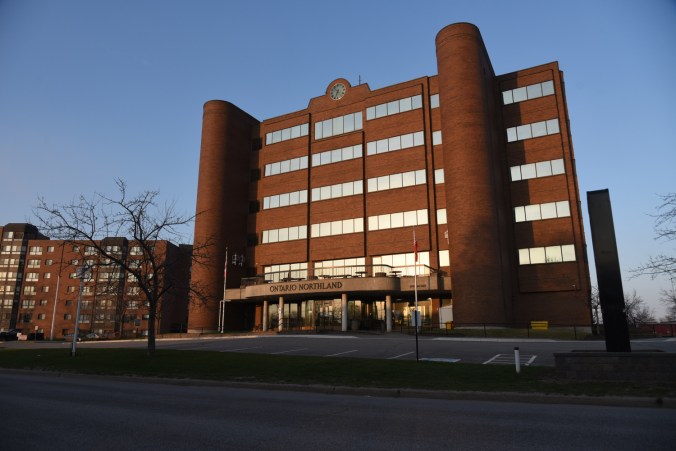
Since the creation of Northern Tracks Blog, I’ve filed nearly two-dozen access to information requests on various topics related to public transportation in Northern Ontario. A few excerpts include:
ONTC Rail Division Sustainability Plan (2009):
- “Generating some 35,000 annual passenger trips out of a total market base population of 200,000 (north of Toronto) is an acceptable performance in terms of indicating support for the service by actually using it [the Northlander].”
Sudbury-White River train service interruptions (2025):
- 44 cancellations due to engine failures, issues with batteries, fuel spills, exhaust leaks, or derailments from the passenger train or the host railway.
- 326 total passengers affected.
Annual ridership, on-time performance and test train data
When the provincial government wanted to deny access to what ultimately became the Updated Initial Business Case for the Northlander (prior to its release in 2022), I filed an appeal with the Information and Privacy Commissioner (and won).
Filing FOIs are incredibly time consuming, and there is a nominal five dollar fee for each application. Depending on the topic or type of record requested, the province may charge additional fees to find the data in question.
But it’s a small price to pay for keeping governments in check. Politicians make decisions on behalf of taxpayers and the general public. They are accountable to us, not the other way around.
The former President of Kosovo, Atifete Jahjaga, says: “Democracy must be built through open societies that share information. When there is information, there is enlightenment. When there is debate, there are solutions. When there is no sharing of power, no rule of law, no accountability, there is abuse, corruption, subjugation and indignation.”
Discover more from Northern Tracks Blog
Subscribe to get the latest posts sent to your email.
